Mitos Adiados
Event

About
We see the Douro through the eyes of pioneering photographers: the magnificence of the terraces descending in gentle waves to the river, the bridges and tunnels by Emílio Biel, the work of the vineyard and the grape harvest of his apprentice, Domingos Alvão, the mimosas or the almond trees in bloom of the Estado Novo tourism. When the colour arrived, the overlapping hues of solstices’ gold and the old reds. This was and is the mythical Douro, with rabelos boats sailed by sailors, descending in a queue to the pier, the barrels towards the warehouses of Gaia.
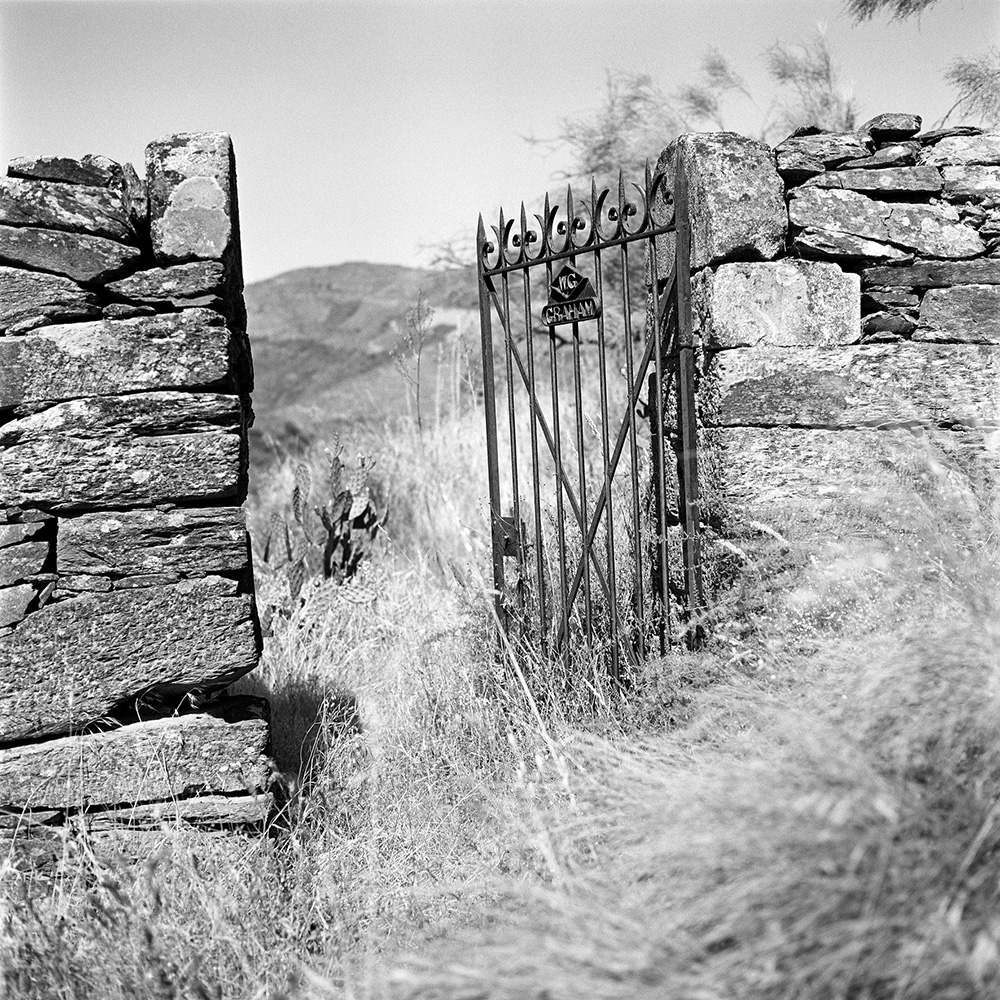
This Douro remains on postcards and advertising pamphlets. Carlos Cardoso, year after year, rebuilt today's Douro, maintaining the reality of its permanencies and changes, in black and white, between the memory of the images and their meaning, which only the contrast of shadow and light can make it clearer.
Almost immutable in the time of the Ages, the ancient rocks, the granite of the Iberian massif, the shale of its torrid crushing. The shale blades challenged men and forged the destiny of the vineyard, they are the matrix of the territory. The photographer shows us his power, on the paths, in the blockades, on the ground of almond trees and vineyards, but also the raw material for his direct use and, here and there, the failure of the rock in the face of vegetation or the sign of permanence depending on the divine.
On this matrix basis, the men produced the terraces according to their needs, then the levels according to the machines. The civilization of communication appropriates the Douro from the railway and explodes with the road. The landscape is made with iron beams, concrete and reinforced concrete spirals, in an old and new figure. To clarify this, there are no baskets for transporting grapes and protecting glass: the road culture is also that of plastic and ephemeral.
So, because it is a photographic look, a new collection of images turns abandonment, neglect and discouragement into beautiful images of remains, of impure signs of pure longing.
A visible unity is defined between the gaps in the shale blades, in their illusory solidity and the constructions that speak of the technical levels of man's culture. Both crumble, cover themselves with weeds, tear under the vital impulse of the trees: both speak of a past and a changing present. The shale layers dismantle like the railway tracks, defining new layers of ground. The abandoned stations, created to assert their Portuguese nature, are invaded by a thicket and desolation. Sometimes the two worlds of the old recent and the new intersect, in the geometry of the equipment, but always, always the greatest geometry are the mountains that reduce the scar the road that tears them.
This built, marked and suffered Douro is doomed to be a dazzle.
The matrix undulating of the mountains is deepened with concentric lines and the very white verticals of the levels; the precipices, the starry shales of gleams, the royal road of the river became systematic appropriations of man. But a viewpoint high above, a repainted bench to rest, the quintas (estates) multiplying the quality of the wine are other responses to what Nature offers or denies: Nature is indifferent to man, indifferent to itself, as a concept. The tension between the critical spirit and the longing or the search for beauty are things of man. This is what these images are about.
When
Tuesday to Friday: 10am-6pm
Saturdays, Sundays and holidays: 3pm-19pm
Gallery

-
PriceFree entrance
-
PromoterCentro Português de Fotografia
-
Target AudienceGeneral Public
-
Share This Page with others


-

Visit Porto
2020-09-15